Table of Contents
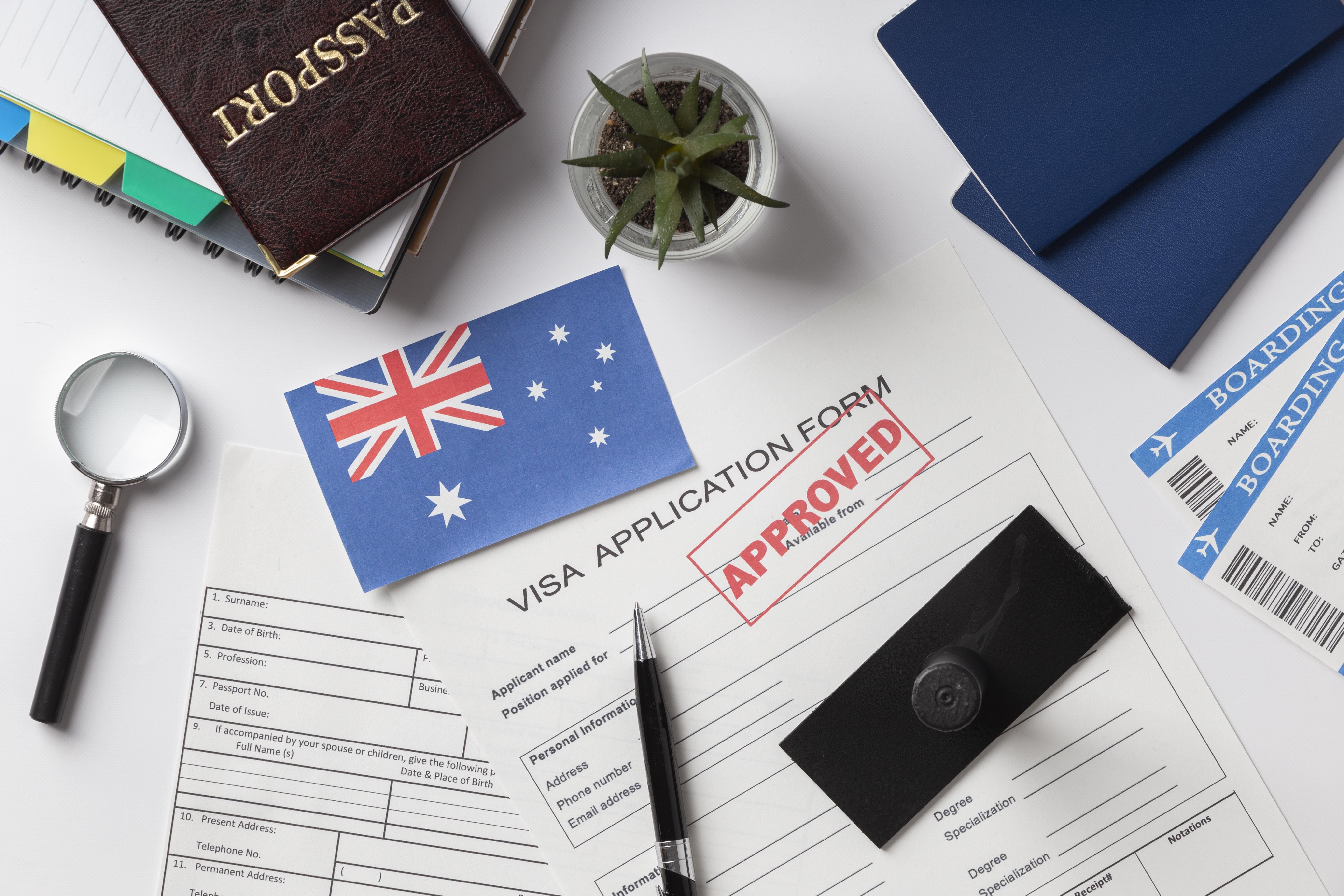
If you have been dreaming of studying in Australia, then getting your student visa could feel like a huge obstacle in the way of making that dream a reality. You’ve collected all your offer letters and put together a plan; however, getting an Australian Student Visa lodged can be one of the biggest hurdles that people encounter. You can improve your chances of obtaining your Australian Student Visa approval by keeping things simple, honest, and clear. This guide will give you a list of dos and don’ts so that you have the best possible chance of getting an approval in 2026. An experienced student visa consultant can guide you from the very beginning of your journey through this complex process.
Before looking at tips, let's see what the visa officer is looking for in your documents. There are three things that the visa officer checks repeatedly. First, are you truly committed to the course of study you have selected, or are you just trying to use this course as your entry to Australia? Second, can you afford to pay your course fees, living expenses, travel, and other associated items without the hassle of accumulating large debts while you are there? Third, will you comply with your visa conditions, return to your home after studying in Australia, or will you follow a legal path when you either choose to stay or attempt to stay in Australia? When your documents, funds, scores in English, and your GTE (Genuine Temporary Entrant) statement reinforce one clear message, it will significantly increase your chances of getting your visa approved, and conversely, if there are inconsistent messages in this data, it can quickly increase the risk of being refused an Australian visa.
To start, every student needs to do the same thing, no matter their skillset- that is, being successful at basic dos. A student who studies in the same area as they did before school has a much better chance at success and a better chance of finding work upon graduating from an Australian college or university than someone studying in an unrelated career field. This also represents a visa officer who is focused on long-term growth vs going abroad for a short period of time. Your course of study should be from an accredited Australian Institution that has a positive reputation and supports international students. The name of your school is an important predictor of your likelihood of being granted an Australian student visa. To support your application for an Australian student visa, you need to make sure that your documentation is prepared as early as possible; this includes: a valid passport, transcripts, degree certificates, proof of employment, and English Language proficiency tests (IELTS/PTE). Submitting clear and legible documents will allow for quicker processing time, provide increased reassurance to the processing officer, and create a less stressful experience.
The GTE statement, or genuine temporary entrant statement, is essentially the core of a visa application. Many students take phrases from online sources and then wonder why their Australian study visa application was denied. The reason for this is that visa officers view hundreds of applications per day and have the ability to easily identify phrases that are not genuine. Therefore, your GTE statement needs to be written in the same way you talk and use everyday language. Also, your GTE statement needs to outline your path toward study to date; explain motivation for choosing this course and studying in Australia as compared to other countries; provide details regarding post study opportunities available to you whether in your home country or through legal employment in Australia; clearly state your family background and ability to support yourself; address any financial or other gaps and finally do not use elaborate language; just understandably state the facts to create a reasonable and direct connection to your study plans and visa application. Following these guidelines will significantly increase the likelihood of a successful visa application.
Employment/Sponsorship is another very important area for approval of an Australia student visa. The officer has to have confidence that you will be able to pay for your tuition and living expenses. You should demonstrate who will support you financially: parents, family members, or yourself. Make sure to provide evidence of recent and consistent bank statements with no large drops before lodging. You can also include other documentation, such as fixed deposits, educational loans, your last three tax returns, and salary slips, in an appropriate form. If applicable, draft a budget for tuition expenses, your expected living expenses for 1 year, health insurance, and travel. In conclusion, if your evidence of funds is clear and organized, your visa application will look organized and thoughtful, rather than rushed. Conversely, if your evidence of funds is unclear and disorganized, you run the risk of having your student visa application rejected, so be very mindful of this aspect of your application.
If you try to pull a fast one and make up bank statements or anything else, you will get banned and ruin your long-term chances. Australia is strictly against fraud, so it is never worth taking that risk to lie and hide anything; it’s better to be upfront about things such as having gaps in your studies. If you say you were preparing for an exam, taking care of family, or working at other jobs, it’s okay since the officer can see that it fits your situation. If there are gaps in your studies but you haven't explained them clearly, the officer will feel that the case has been altered by someone providing false or altered information about their level of study and lifestyle. If you take classes at a level that seems to be lower than where the officer believes you should be, you risk being flagged.
There are a lot of nail university applications, but it is important that you have enough English scores for visa requirements. You must have a valid IELTS or PTE with a passing score to qualify for the visa required by the Australian universities. If you have a low score on your IELTS or PTE exam, then you need to retake the exam. Do not apply with a weak score because it will lower your chances of being accepted. You must have proper overseas student health insurance (OSHC) that covers you while studying and is appropriate for your level of study. You must have completed your medical examination and biometrics and must have these services scheduled to prevent the processing of your visa from being delayed.
Conclusion
Little habits can help you succeed with your Student Visa in Australia. Starting your applications six months before the intake means that you’ll have the time to complete your application correctly without any rushing or mistakes. If you are still at the start of your application process, you can work with an experienced study abroad consultant who can help you get through your application step by step, or you may have to do it alone. The location of your school may not affect your success, but your application does. Stay on top of your application by ensuring that all documentation is complete, and your entire application package is organized! The faster you submit your complete application, will increase your chances of receiving the Student Visa that you want to get to Australia. If you are a student interested in obtaining professional assistance, reaching out to an Australia student visa consultant in Vadodara can be the deciding factor as you complete your application to study in Australia.
Global Colliance is your gateway to a world of opportunities. We offer distinctive support for your educational journey and proudly stand as the best study abroad consultant. Contact us today and give us the chance to help shape your future and turn your study abroad dreams into reality.